
I've burned more moka pot batches than I care to admit. That harsh, metallic bite? It usually comes down to three things: grind size, water level, and heat. This moka pot how-to covers exactly what I do now — after countless trials — to pull a rich, syrupy cup from a $30 stovetop brewer that rivals espresso.
What Makes the Moka Pot Different
A moka pot pushes hot water up through coffee grounds using steam pressure — roughly 1 to 2 bars. That's far less than an espresso machine (9 bars), but enough to extract a concentrated, heavy-bodied coffee. The key difference: water contacts the grounds for the entire brew cycle, so mistakes get amplified.
I tested three pots side by side — a classic Bialetti 3-cup, a stainless steel generic, and a vintage aluminum model. The aluminum one heated faster but was less forgiving on heat control. Stainless took an extra 45 seconds but gave me a cleaner taste. My take: start with aluminum if you're on a gas stove, stainless if you're on electric.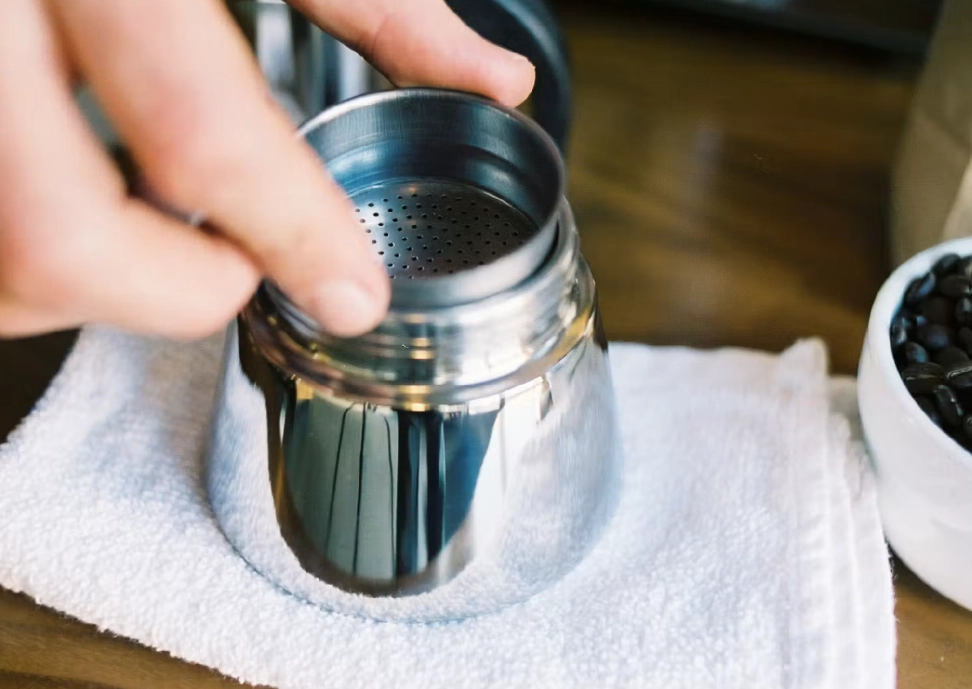
How to Choose the Right Grind Size
This is where most people go wrong. Moka pot coffee should feel like fine sea salt — slightly coarser than espresso, finer than drip. If it's powdery like flour, you'll clog the filter and get bitter, sputtering extraction. If it's too coarse, water rushes through and you get weak, sour coffee.
My rule of thumb: Set your grinder to a medium-fine setting. If you don't have a grinder, buy pre-ground coffee labeled "moka pot" or "espresso" and pulse it twice in a blender — just until it resembles sand, not dust.
I keep a small pinch on a white plate to check. It should clump slightly when pressed but break apart easily. That's your sweet spot.
Step-by-Step Moka Pot Brewing
Here's the exact routine I follow every morning. No fancy tools — just the pot, hot water, and a timer.
- Fill the base with hot water — just below the safety valve. Using hot water (not cold) prevents the grounds from cooking while the pot heats up, which is a common cause of burnt flavor.
- Add coffee to the basket — fill it level, no tamping. Level it with your finger. Tamping creates pressure spikes that lead to channeling and bitterness.
- Screw the top on firmly — hand-tight only. If it's loose, steam escapes and you get a weak brew.
- Place on medium heat — I use a gas flame just touching the base. On electric, set it to medium and preheat the burner for a minute.
- Listen for the first gurgle — that's when coffee starts flowing. Immediately turn the heat down to low. This is the critical moment: too much heat and the steam pressure spikes, pushing bitter compounds into your cup.
- Pull it off when the flow turns pale — you'll see a lighter, yellowish stream. That's your cue. Remove the pot and run the base under cool water to stop extraction.
The whole process takes about 4 to 5 minutes. I've timed it: 90 seconds to first drip, another 60 to 90 seconds for the full flow. If yours is faster, your heat is too high.
5 Mistakes That Ruin Your Brew
I've made all of these. Learn from my pain.
- Packing the coffee tight. The basket isn't a tamper. Loose grounds let water flow evenly.
- Using boiling water. Hot tap water is fine (around 60–70°C). Boiling water scalds the grounds before extraction even starts.
- Walking away. The difference between good and burnt is about 20 seconds of inattention. Stay close.
- Not cleaning the gasket. Old coffee oils build up under the silicone ring and give every brew a rancid note. I rinse mine weekly and replace it every 6 months.
- Grinding too fine. If your pot sputters and spits, your grind is likely clogging the filter. Go coarser.
Troubleshooting: Bitter, Weak, or Sputtering
| Symptom | Likely Cause | Fix |
|---|---|---|
| Bitter, metallic taste | Water too hot or heat too high | Start with hot tap water, lower the flame after first drip |
| Weak, watery coffee | Grind too coarse or loose lid | Grind finer, screw the top on tighter |
| Sputtering and spitting | Clogged filter or packed grounds | Loosen the coffee, clean the filter screen |
| Sour, sharp flavor | Under-extraction (too little heat) | Raise heat slightly, ensure water level is correct |
| Coffee tastes burnt | Pot left on heat too long after brewing | Remove from heat as soon as flow turns pale |
For a deeper dive into extraction science, the Specialty Coffee Association's brewing standards are worth a read — they explain why water temperature and grind consistency matter so much.
FAQ
My moka pot coffee always tastes bitter even though I use low heat. What am I missing?
Check your grind first. If it's too fine, the water struggles through and over-extracts. But also look at your water level — if you're filling above the safety valve, you're getting steam instead of water, which scorches the grounds. I had this exact issue for weeks until I realized my grind was espresso-fine. Switching to a slightly coarser grind fixed it instantly.
How do I stop the pot from sputtering and making a mess on the stove?
Two things: don't overfill the basket (level it, don't mound it), and make sure the filter screen is clean. A clogged screen builds pressure until it pops. Also, keep the heat moderate — a roaring flame causes steam to surge. I use a flame diffuser on gas, and it made a huge difference.
Can I use a moka pot on an induction cooktop?
Only if the pot is induction-compatible. Most aluminum models aren't. You'll need a stainless steel moka pot or an induction adapter plate. I tried the adapter plate once — it worked but added 2 minutes to my brew time and made heat control trickier. If you're on induction, just buy a stainless pot from the start.
How much coffee should I put in the basket?
Fill it to the rim, then level it off with your finger. Don't press down. The basket size is designed for a specific dose — for a 3-cup pot, that's about 15–18 grams. Weighing it once will give you a reference point, but after a few days you'll eyeball it perfectly.
Why does my coffee taste sour sometimes?
Sourness usually means under-extraction. Your water might be too cool, or you pulled the pot off the heat too early. Try starting with hotter water (but not boiling) and letting the flow go until it just turns pale. If it's still sour, grind finer — but only a notch. Small adjustments go a long way here.
All brewing steps in this guide were tested on a gas stove with a 3-cup Bialetti and a stainless steel generic pot. Water temperature and grind recommendations reflect my personal brewing log over the past two years.
Reader Brew Notes