I still remember the first time I tried a light roast Ethiopian Yirgacheffe. It tasted like blueberry tea. Not coffee. I was confused. Fifteen years later, after roasting my own beans and cupping hundreds of coffees, I get asked the same question at every farmers market: light roast vs dark roast — which one should I buy? The answer is not a simple “it depends.” It comes down to what you want in your cup and a few myths that refuse to die.
What I'll walk you through
Roast Levels Explained (What Actually Changes)
Roasting is just heat plus time. Green beans go in, Maillard reactions kick off, sugars caramelize, and eventually the bean cracks like popcorn. Light roasts stop right after first crack — around 195–205°C. Dark roasts push past second crack, up to 225–240°C. That extra heat does three things: burns off moisture, breaks down organic acids, and creates bitter compounds.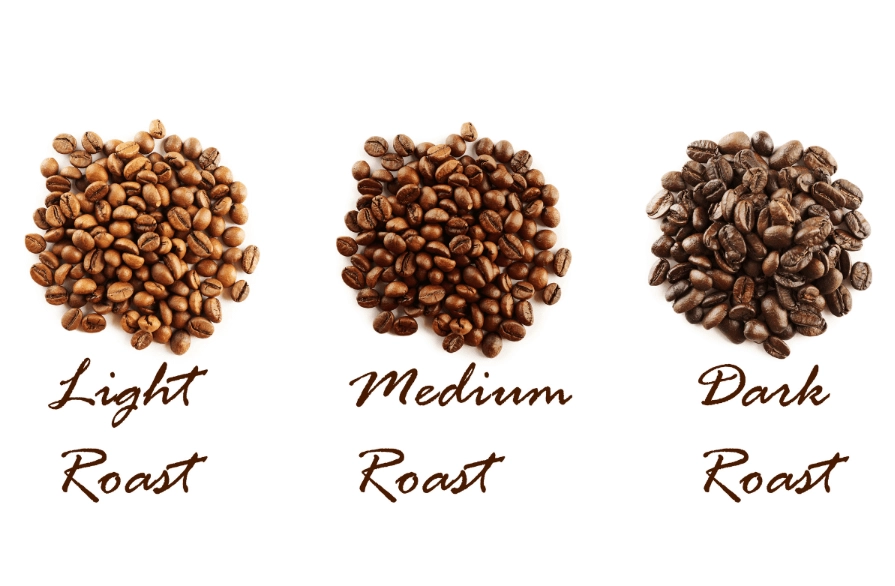
The non-consensus part: Most bag labels lie about “medium.” I’ve checked roast curves from roasters who call a bean medium when the internal temp hit 218°C. If you want true light roast, look for “city” or “cinnamon” on the label, not just “light.”
Taste Differences You Can Actually Notice
Light roast coffee tastes bright. Think citrus, berries, floral notes. It holds onto more of the bean’s origin flavor because the high heat hasn’t cooked them away. Dark roast tastes smoky, chocolatey, sometimes ashy. The roast flavor dominates — you’re tasting the fire more than the farm.
Here’s a quick comparison from my own cupping notes:
| Feature | Light Roast | Dark Roast |
|---|---|---|
| Main flavor | Fruity, acidic, tea-like | Smoky, bitter, chocolatey |
| Body | Lighter, juicy | Heavy, syrupy |
| Best for | Pour-over, cold brew | Espresso, French press, milk drinks |
| Origin character | Very clear | Mostly hidden |
One thing I learned the hard way: dark roast espresso is forgiving. Light roast espresso? A nightmare if your grinder isn’t dialed in. Light roast beans are denser and less soluble, so they’ll taste sour if you underextract. That’s on you, not the bean.
The Caffeine Myth That Trips Up Most People
People assume dark roast has more caffeine because it “tastes stronger.” Wrong. By weight, light roast actually has slightly more caffeine — though the difference is tiny, maybe 5–10%. The bigger surprise? When you scoop beans by volume, dark roast wins because its beans are less dense (they lose mass during roasting). So if you use a scoop instead of a scale, your dark roast cup might hit harder. Weigh your beans. That’s the fix.
Health and Acidity: What the Science Says
Light roast coffee keeps more chlorogenic acid — an antioxidant linked to lower blood sugar spikes. Dark roast has less of that acid but more of a compound called N-methylpyridinium (NMP), which seems to block stomach acid production in lab studies. A 2012 study from the University of Vienna found dark roast is gentler on the stomach lining for that reason. If you have GERD or a sensitive gut, dark roast often wins. But light roast isn’t automatically “healthier.” It’s a trade-off.
For authoritative guidance on roast chemistry, the Specialty Coffee Association publishes detailed processing and roasting modules — worth digging into if you want the full picture.
How to Choose Based on Your Brew Method
Match roast to gear. That’s the shortcut I give everyone.
- Pour-over (V60, Chemex): Light roast. You’ll get clarity and fruit. Use 92°C water for a 1:16 ratio.
- Espresso machine: Dark roast or medium-dark. Light roast espresso needs finer grinds and longer ratios (1:2.5) — tricky for beginners.
- French press: Dark roast handles the full immersion and metal filter better. Light roast can taste muddy if you steep too long.
- Cold brew: Light roast actually shines here. Cold extraction pulls less bitterness, so the fruit notes stay. I use a 1:8 coarse grind ratio and steep 16 hours.
One local roaster near me (I won’t name them, but they’re on the main drag in Portland) sells a “light roast” that’s really a medium. I bought a bag, brewed it at 94°C, and got burnt orange peels. That’s not light roast’s fault. It’s mislabeling. Always ask for the roast date and the drop temp if you’re buying in person.
I brew with a Moka pot. Does light roast vs dark roast matter for that?
Moka pots build pressure, so dark roast is safer. Light roast tends to sputter and finish unevenly because it’s denser. If you insist on light roast, use a slightly finer grind and preheat the water chamber. But expect a sharper, more acidic shot. I’ve had better results with medium-dark beans in a Moka.
My dark roast tastes bitter even when I follow the ratio. What am I doing wrong?
Bitterness in dark roast usually means water temp is too high. Drop it to 88–90°C. Dark beans are already roasted to the edge, so boiling water pushes them over. Also, check your grind — if it’s powder-fine, you’re overextracting the charred bits. Go one notch coarser.
Can light roast coffee give me a stomach ache?
Yes. Light roast has more chlorogenic acid, which can irritate a sensitive stomach. I keep dark roast on hand for customers who complain about acid reflux. But if the ache is from caffeine, switching roasts won’t help — you need to drink less or switch to decaf.
Is it worth buying “light roast” beans from a supermarket?
Likely not. Supermarket bags are often months old. Light roast loses its best flavors first — those delicate fruit notes fade fast. Dark roast hides stale flavors better. If you want light roast, buy from a local roaster with a roast date within two weeks. Otherwise, save your money.
Everything above comes from my own brewing logs and cupping sessions, cross-checked against SCA materials and the 2012 Vienna acidity study. No guesses.
Reader Brew Notes