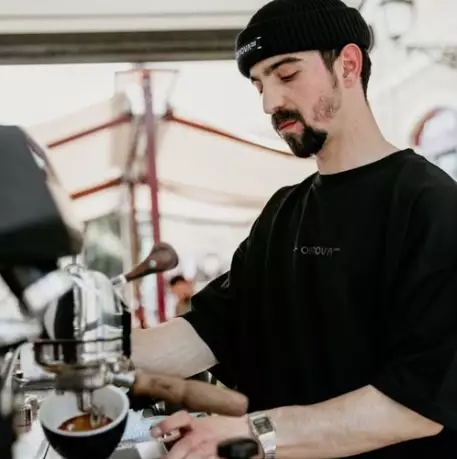
I still remember pulling a 20-second gusher that tasted like lemon battery acid, then chasing it with a 45-second shot that was pure ashtray. That was my third week with a home machine. Learning how to dial in espresso at home isn't about buying a better grinder — it's about changing one variable, tasting, and repeating until the shot tastes sweet and balanced. This guide gives you the exact sequence I use now, plus the fixes for the two most common failure flavors.
Jump to what you need
What Dialing In Actually Means
Dialing in means adjusting your grind, dose, and yield until the shot extracts evenly. You're not hunting for a magic number. You're hunting for a taste target: sweet, syrupy, with a finish that makes you want the next sip.
New folks fixate on hitting 25 seconds. I did too. Then a roaster friend pulled a 33-second shot of the same bean that tasted far better than my 25-second one. Time is a symptom, not the goal.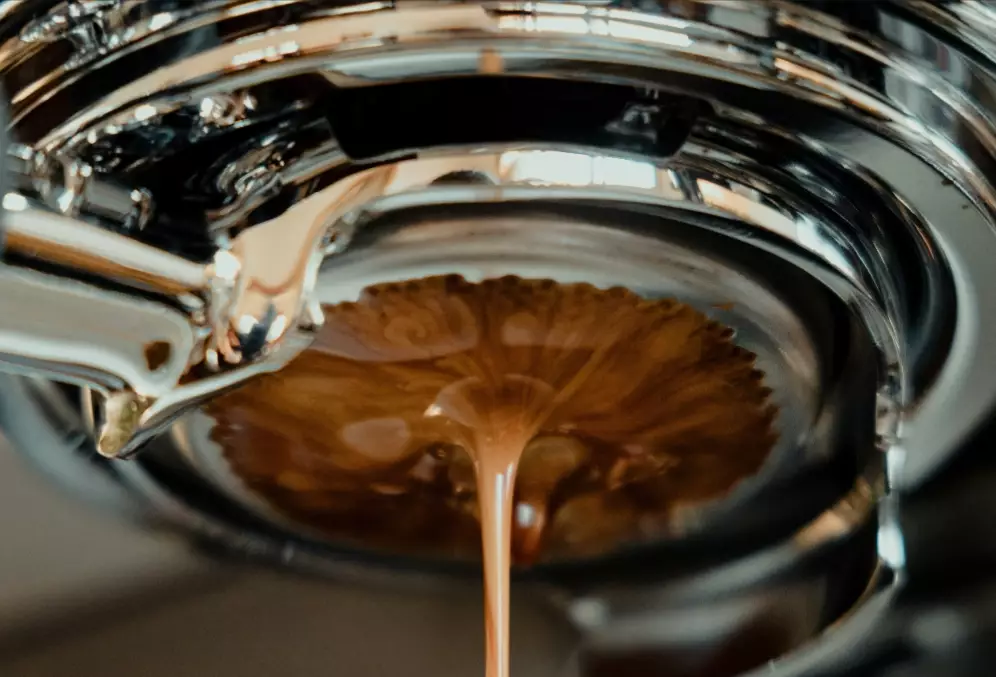
The Four Variables and Their Order
Change one thing at a time, in this order. Braking the rules here is why most home shots taste muddy.
| Variable | Typical starting point | What it changes |
|---|---|---|
| Dose | 18 g in a double basket | Strength and body |
| Grind | Fine enough to slow the flow | Extraction speed and balance |
| Yield | 36 g out (1:2 ratio) | Concentration and finish |
| Temperature | 93°C for medium roasts | Brightness vs. bitterness |
A Real Dial-In, Step by Step
Last month I opened a bag of washed Ethiopian beans, roasted 9 days prior. Here's the sequence I ran, which you can copy.
- Weigh 18 g into the basket, distribute with a needle tool, tamp level.
- Pull a shot and note the time and yield. Mine ran 19 seconds to 40 g. Way too fast.
- Grind finer by two small clicks. Pull again: 24 seconds to 36 g. Closer.
- Taste. Still sour on the front and thin in the middle. Grind one click finer.
- Pull: 29 seconds to 36 g. Sweetness appeared, but the finish was a bit dry.
- Drop yield to 34 g. The dry finish softened. Done — about 15 minutes of work.
Notice I never touched temperature. I didn't need to. That's the whole point of the order.
How to Fix Sour Espresso
Sour means under-extraction. The water left the puck too fast and didn't pull the sugars out. The fix chain:
- Grind finer. This is step one 80% of the time.
- Increase yield slightly. More water in contact with coffee pulls more sweetness — up to a point.
- Raise temperature by 1°C if you've already ground quite fine and it's still sharp.
- Check your beans. Very light roasts are genuinely harder to extract. A 1:2.5 ratio often helps.
Here's a non-consensus thing I've learned: sour shots are often a water problem, not a grind problem. If your tap water is very soft, extraction stalls. I switched to a mineral blend and my light-roast shots stopped tasting like green apple.
How to Fix Bitter Espresso
Bitter means over-extraction. Water stayed too long or pulled too much from the puck. The fix chain:
- Grind coarser by one small step.
- Reduce yield — try 32 g instead of 36 g.
- Drop temperature 1–2°C.
- Check for channeling. A bitter, harsh shot with a fast finish often means water bored a hole through the puck. Look for pale spots on the spent puck.
The Grind Mistake Most Beginners Make
People treat the grinder dial like a volume knob. Small changes, big effect. On most home grinders, two clicks can swing a shot by 8 seconds. My advice: make the smallest adjustment your grinder allows, then pull a shot before touching it again. Also, purge a few grams after each change — old grounds sitting in the chute will lie to your palate.
One more thing. If your shots swing wildly from 18 seconds to 35 seconds with no grind change, the problem isn't technique. It's a cheap grinder with inconsistent burrs. I learned that the expensive way. No amount of dialing will fix a grinder that can't repeat itself.
Real Questions From Home Baristas
My shot runs 15 seconds and tastes sour — do I grind finer or increase dose?
Grind finer. A 15-second shot means the water is racing through. Increasing dose will slow it a bit, but you'll also muddy the flavor. Fix the flow first with grind, then adjust dose only if the puck is too soupy.
All my espresso tastes bitter even after I grind coarser — what am I missing?
Check your basket and puck prep. A basket that's too large for 18 g leaves headspace, water pools, and you get over-extraction on the top of the puck. Also weigh your output. I've seen home setups hit 50 g out from an 18 g dose without the user noticing.
Do I need a scale to dial in espresso at home?
Yes. A $20 scale that reads 0.1 g will do more for your shots than a $100 tamper. Dose and yield are the two variables you can't eyeball, and without them you're just guessing.
How long should dialing in take on a new bag of beans?
Expect 4–6 shots, roughly 10–15 minutes. If it takes 20 shots, either your beans are stale or your grinder isn't consistent enough for espresso. Fresh beans (5–20 days off roast) dial in much faster.
Why does my espresso taste great one morning and sour the next with no changes?
Humidity and bean age. Beans absorb moisture overnight, which changes grind behavior. I usually nudge the grinder one click finer the day after opening a bag and again two days later. Small drift, small fix.
Bottom line: dialing in is a loop — weigh, pull, taste, change one thing. Lock your dose, fix flow with grind, shape taste with yield, and reserve temperature for last. That's it.
This guide was fact-checked against specialty coffee industry practices and standard espresso extraction references.
Reader Brew Notes