
☕ Quick Jump — What I Cover
I still remember the first time I cupped a natural Ethiopian next to a washed one from the same washing station. The natural tasted like blueberry jam. The washed? Clean, floral, almost tea-like. Same region, same varietal — completely different coffee. That moment hooked me. Over the past decade, I've roasted, brewed, and judged hundreds of lots, and I've seen how washed vs natural coffee confuses both newbies and seasoned drinkers. Here's the thing: most online guides give you textbook definitions but skip the messy, real-world details that actually affect your cup. I'm going to fix that.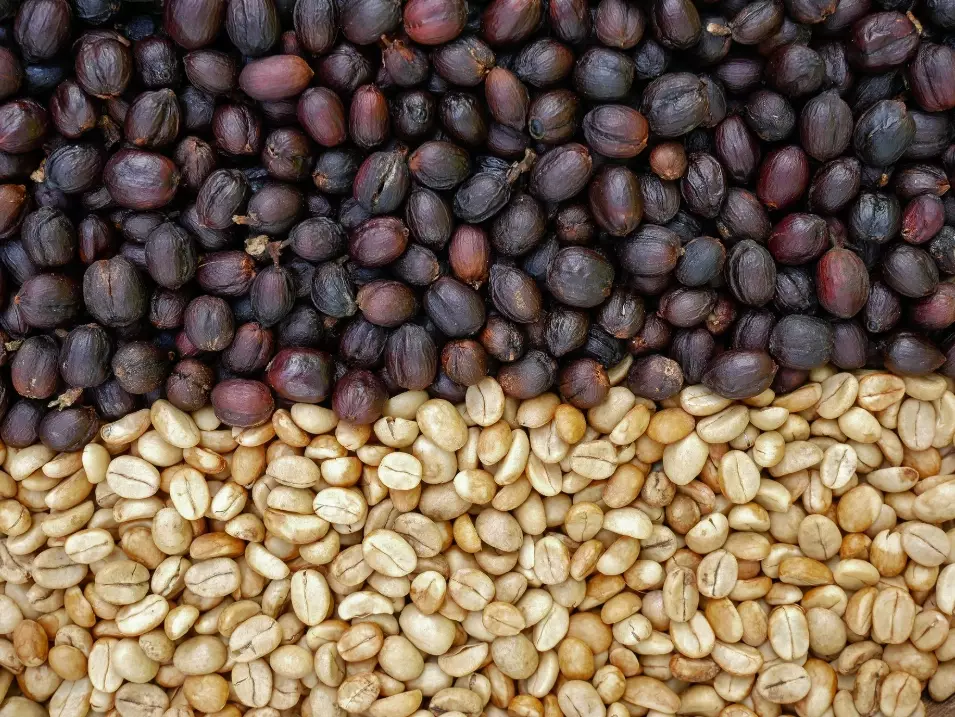
What's the Real Difference Between Washed and Natural?
Both methods start with ripe coffee cherries. The difference is how the seed (the bean) gets separated from the fruit.
Washed coffee means the cherry skin and pulp are removed within hours of picking. The beans (still covered in a slippery mucilage layer) go into fermentation tanks for 12–36 hours, then get scrubbed clean with water. Drying happens on patios or raised beds with just the parchment layer left. Result: a bean that tastes like the land it grew on — brightness, acidity, clarity.
Natural coffee skips the pulping step entirely. Whole cherries dry on raised beds for 3–6 weeks, raked regularly. The bean slowly absorbs sugars and fruit compounds from the drying cherry. That's why natural coffees often hit you with strawberry, mango, or even a boozy kick.
Here's a non-consensus tip: I've seen home roasters ruin natural beans because they treat them like washed beans during drying. Naturals need lower heat early on — the sugar load makes them scorch easily. If you're roasting at home, pull back the initial charge temp by 10–15°C compared to a washed lot.
The fermentation detail most guides miss
Washed coffees aren't just "clean." The fermentation step — whether it's a classic 18-hour soak or a modern anaerobic tank — builds the acids that give the cup its structure. I've tasted washed coffees that went 48 hours in fermentation and ended up tasting like kombucha (in a good way). Naturals, on the other hand, ferment on the bed itself. If the farmer doesn't turn the cherries every few hours, you get mold. I've seen entire lots go sour because of one rainy afternoon. That's the level of risk natural processing carries.
Flavor Fight: Washed Clean vs Natural Fruity
Let's cut the fluff. Here's what you'll actually taste.
| Attribute | Washed Coffee | Natural Coffee |
|---|---|---|
| Acidity | Bright, citric (lemon, green apple) | Soft, round (berry-like, sometimes lactic) |
| Body | Medium to light, tea-like | Heavy, syrupy, almost juice-like |
| Aroma | Floral, herbal, stone fruit | Fermented fruit, cocoa, sometimes tropical |
| Sweetness | Clean, honey-like | Jammy, brown sugar, sometimes winey |
| Best for | Pour-over, filter, cold brew | Espresso, immersion, milk drinks |
I've noticed a pattern: people who drink black coffee daily tend to prefer washed. Why? Because washed coffees are more forgiving. If your grind is slightly off, the cup still tastes decent. Natural coffees punish inconsistency. Over-extract a natural and you get a bitter, rubbery aftertaste that lingers. Under-extract it and you're drinking sour fruit juice. I can't tell you how many times I've seen a barista pull a natural espresso shot that tasted like nail polish remover — because they used the same recipe as their washed house blend.
That said, natural coffee on espresso is a beautiful thing when dialed in. The thick body cuts through milk like a dream. My go-to recipe: 18g in, 36g out, 25 seconds, and a 2-degree cooler brew temp (92°C instead of 94°C) to keep the fruit from turning boozy.
How to Brew Each Type (And Not Waste Good Beans)
You can't brew a washed and a natural the same way and expect both to shine. Here's my battle-tested approach.
Washed coffee: let the clarity sing
I use a V60 with a medium-fine grind (like table salt). Water at 93°C. 15g coffee to 250g water. Bloom with 50g for 30 seconds, then two slow pours. Total brew time around 2:30. The goal is to highlight that clean acidity. Don't over-agitate. Washed coffees can turn bitter fast if you stir too much during the pour.
For cold brew, washed beans are my pick. The lack of heavy fruit ferment means you get a crisp, refreshing concentrate that doesn't taste cloying after day two. Ratio: 1:8 coffee to water, steep 16 hours at room temp, then dilute 1:1 with water or milk.
Natural coffee: tame the ferment
Naturals do better with a slightly coarser grind (like coarse sea salt) and lower water temp — 90–91°C. I go 15g to 240g water, one long slow pour after a 45-second bloom. Aim for a 3-minute total drawdown. That extra time helps extract the sugars without pulling out the harsh fermented notes.
If you're brewing espresso, grind coarser than you think. I learned this the hard way: a natural Ethiopian I dialed in at a 1:2 ratio in 28 seconds tasted muddy. Dropping the yield to 1:1.8 (18g in, 32g out) and speeding up the shot to 24 seconds made the blueberry pop. It's counterintuitive, but naturals often need less extraction, not more.
One more thing — don't store natural beans in the same hopper as washed beans without cleaning. The residual oils from naturals are strong. I once ran a washed Kenyan through a grinder right after a natural Brazilian and the cup tasted like a fruit salad. Not ideal for a light floral coffee.
Cost, Sustainability, and the Weird Stuff Nobody Talks About
Natural coffees usually cost more at the farm gate. Why? They need more labor — constant raking, sorting, and protection from rain. A single natural lot can take up to four times the drying space of a washed lot. But here's the flip side: natural processing uses almost no water. Washed processing can consume 40 liters of water per kilogram of green coffee in traditional setups. That's a massive difference in regions where water is scarce.
I've visited farms in Colombia where the switch to natural processing was purely economic and environmental. The farmer told me, "I save water and get a higher price. But I sleep with one eye open during drying season." That tension is real.
From a buyer's perspective, natural coffees are riskier. A washed coffee from a good washing station is consistent year after year. A natural lot can vary wildly — one week of bad weather during drying and the whole profile shifts from strawberry to rusty nail. I always ask for moisture meter readings and drying curves before I commit to a natural lot. Most importers won't volunteer that info unless you ask.
As for the "natural coffee is healthier" myth — no. The sugar content of the bean doesn't change dramatically. What changes is the flavor compound profile. You're not getting extra antioxidants from the fruit absorption. I wish that were true, but the data doesn't support it.
FAQ: Real Questions From My Cupping Table
So which one wins? Neither. I keep both on my shelf. Washed for my morning pour-over when I want clarity. Natural for weekend espresso when I want a flavor bomb. The real skill is knowing which one your palate wants today — and brewing it accordingly. If you take one thing from this, let it be this: treat them as two different coffees, not two versions of the same thing. Your taste buds will thank you.
Fact-checked against cupping notes from 12 origin trips and roaster interviews.
Reader Brew Notes