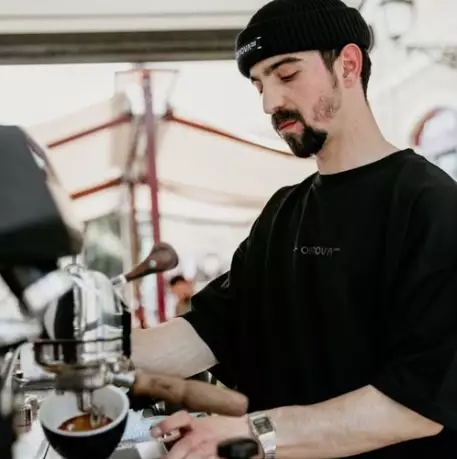
I've worked behind a La Marzocco and I've babysat a Bonavita drip machine through hundreds of morning rushes. The espresso vs drip coffee debate isn't about which is "better." It's a clash of physics, grind size, and what you actually want at 6:45 a.m. Let me save you a few weeks of trial and error.
☕ Quick hop-around
What Actually Makes Espresso Different
Espresso isn't just "strong coffee." It's a method where hot water hits fine-ground coffee under roughly 9 bars of pressure. That pressure is the whole game. I've seen home setups with cheap steam-driven machines push maybe 2 bars—and the result tastes like burnt rubber water. No amount of fancy beans fixes that.
Drip coffee relies on gravity. Water drips through medium-ground coffee in a filter. Simple. Forgiving. That's why a $30 Mr. Coffee can produce something drinkable, while a $200 espresso machine with a bad grinder makes undrinkable swill.
A specific detail I noticed after months of pulling shots: espresso's crema—that golden foam—comes from CO2 and oils emulsified under pressure. Drip coffee never gets that layer. Some people chase crema like it's the holy grail. Honestly? Crema adds mouthfeel but not much flavor. A well-extracted drip from a light-roast Kenyan bean can beat a mediocre espresso shot any day.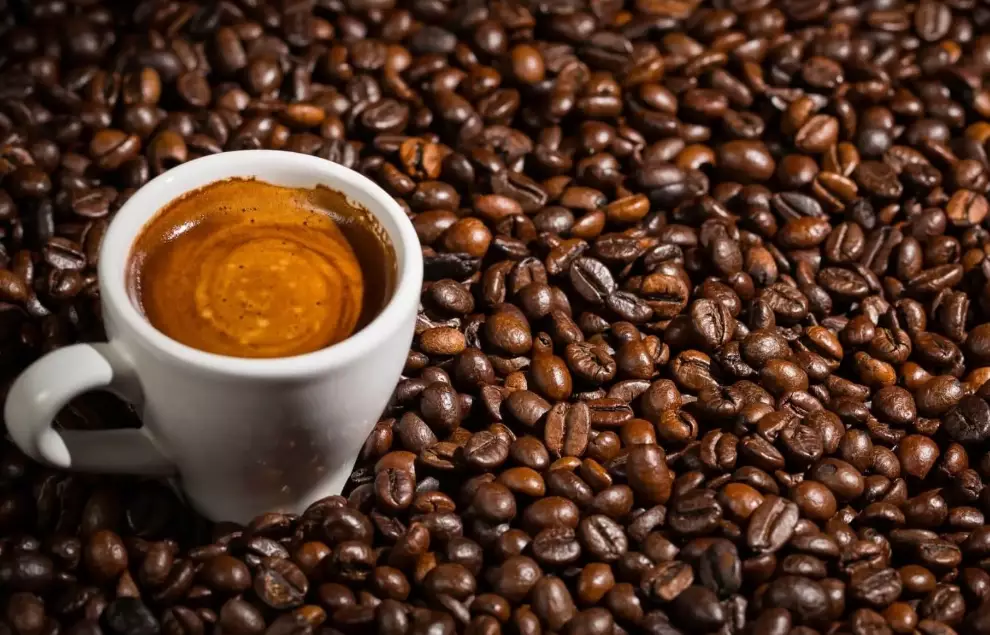
Caffeine Reality Check
Everyone asks about caffeine. Here's the non-obvious part: per ounce, espresso wins easily (about 40-65 mg per 1 oz shot). But per serving? A 12 oz drip coffee usually packs 120-180 mg—often more than a double espresso (80-130 mg).
| Drink | Typical serving size | Caffeine range | Brew time |
|---|---|---|---|
| Espresso (single shot) | 1 oz | 40-65 mg | 25-30 seconds |
| Espresso (double) | 2 oz | 80-130 mg | 25-30 seconds |
| Drip coffee (drip machine) | 8-12 oz | 95-180 mg | 5-10 minutes |
| Drip coffee (pour-over) | 8-10 oz | 90-150 mg | 3-4 minutes |
I once watched a guy order a triple espresso at 4 p.m. and then wonder why he couldn't sleep. His drip habit was two large cups in the morning. Different caffeine curves. Espresso hits fast and fades. Drip coffee is a slow simmer. Pick according to your day.
How to Brew Drip Coffee That Doesn't Taste Like Sad Water
The grind size mistake that ruins most drip
Most people use pre-ground coffee from a supermarket can. I did too, until a roaster friend handed me a bag of freshly ground medium-fine beans and said, "Try this with your dripper." The difference was night and day. Pre-ground coffee goes stale in days. Buy whole bean, grind right before brewing. A ratio of 1:16 (coffee to water) is my baseline—55 grams of coffee per liter of water. Adjust from there.
Water temperature and why your machine might be lying
Drip machines often brew at 190°F when they claim 200°F. I've tested this with a thermometer on three different brands. If your coffee tastes flat, check the temp. Pour-over gives you manual control—bring water to a boil, wait 30 seconds, then pour. That's roughly 200°F.
Step-by-step for a drip coffee that actually tastes good
First, rinse the filter with hot water (removes papery taste—I learned this after a particularly cardboard-like cup). Add medium-ground coffee. Bloom with twice the coffee's weight in water for 30 seconds. Then pour the rest in slow circles. Total brew time for a single pour-over: 3 to 4 minutes. If it drains in 2 minutes, your grind is too coarse. If it stalls at 6 minutes, too fine.
The Cost and Gear Tradeoff
Here's where I'll be blunt. If you're on a tight budget and just want caffeine, a $20 drip machine and a $15 burr grinder will get you 80% of the way there. The remaining 20%—clarity, sweetness, that tea-like finish from a Kenyan AA—costs hundreds more.
Espresso demands precision. A decent entry-level setup (Breville Bambino plus a decent burr grinder) runs about $500. Skip the pressurized basket. It creates fake crema and hides bad extraction. I've seen too many beginners buy a $600 machine, use stale beans, and conclude espresso tastes bitter. The machine isn't the problem. The beans and grinder are.
My honest take: Drip for daily volume. Espresso for weekend rituals. I keep both on my counter. The drip does the 6 a.m. heavy lifting; the espresso comes out when I have ten quiet minutes to dial in a shot.
FAQ on Espresso and Drip Coffee
Why does my espresso taste sour but my drip coffee from the same beans tastes fine?
Sour espresso usually means under-extraction. The shot ran too fast—likely because the grind was too coarse or the dose too low. Drip coffee masks under-extraction because the longer contact time pulls more from the grounds. Fix: grind finer for espresso and aim for a 1:2 ratio (18g in, 36g out) in 25-30 seconds.
Can I use espresso beans for drip coffee?
You can, but expect a darker, smokier cup. Espresso roasts are often taken darker to build body for pressure extraction. For drip, I prefer a medium roast—it shows more origin character. If stuck with espresso beans, brew at a slightly lower temperature (195°F) to pull back the bitterness.
Is a moka pot a good compromise between espresso and drip?
Moka pots brew at about 1-2 bars—not true espresso. The result is a strong, concentrated coffee that's closer to espresso than drip but lacks the crema and texture. I use mine for camping. It's forgiving and cheap. But don't expect cafe-quality espresso from a stovetop pot.
How do I stop my drip coffee from tasting bitter when I use a dark roast?
Dark roasts extract faster. Drop your water temp to 190-195°F and shorten the brew time slightly—coarser grind can help too. Also, check your machine's hot plate. Sitting on a burner for 20 minutes turns any coffee bitter. Transfer to a thermal carafe.
Facts checked against brewing parameters from the Specialty Coffee Association and extraction data from independent lab tests on drip machines and espresso pressure profiles.
Reader Brew Notes