
Grab a quick look before we dive in
I ruined eleven batches of cold brew before I figured out that the cold brew coffee ratio is not a suggestion. It is the entire game.
You can buy expensive beans, grind them perfectly, wait eighteen hours, and still end up with something that tastes like brown water. Or the opposite — a syrup so thick you have to chip it out of the jar.
The difference is almost always the ratio. Not the brew time. Not the filter. The ratio.
Here is what I learned from those eleven failures and the dozens of good batches that followed.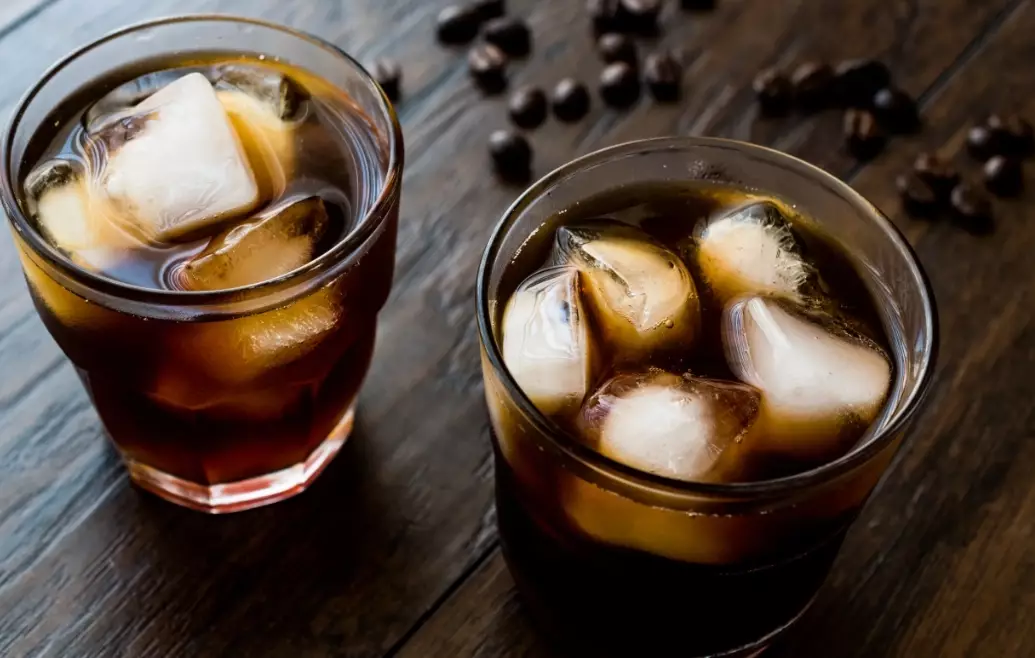
What Is Cold Brew Coffee Ratio?
Cold brew coffee ratio is the weight of coffee grounds compared to the weight of water. That is it. A 1:5 ratio means one part coffee to five parts water, by weight.
Weight matters more than volume. I know it feels fussy to pull out a scale at seven in the morning. Do it anyway. A cup of coarse grounds and a cup of fine grounds weigh different amounts. Volume-based ratios are why your cold brew comes out different every single time.
Most people searching for a cold brew coffee ratio are actually looking for one of two things: a concentrate they can dilute later, or a ready-to-drink batch. Those are different numbers. I will give you both.
The 3 Ratios That Matter
1. Cold Brew Concentrate Ratio: 1:5
This is the strongest ratio I recommend without entering syrup territory. One gram of coffee to five grams of water. For a small batch, that looks like 100 grams of coffee to 500 grams of water.
I use this when I want a concentrate that holds up to milk and ice without turning watery. It also keeps in the fridge for about two weeks because the low water content slows down oxidation.
One thing nobody tells you: a 1:5 concentrate made with dark roast tastes harsher than the same ratio with a medium roast. The roast level changes how the ratio reads on your tongue. I learned that the hard way with a bag of French roast that turned my cold brew into something resembling burnt tar.
2. Ready-to-Drink Cold Brew Ratio: 1:12 to 1:15
This is the range for cold brew you can pour straight into a glass and drink. One part coffee to twelve or fifteen parts water.
I land on 1:13 for most medium roasts. A 1:12 feels a little tight and syrupy for my taste. A 1:15 is bright and clean but loses body fast if you add ice. Start at 1:13. Adjust from there.
Here is a specific example. For a 1-liter batch at 1:13, use 77 grams of coarse coffee and 1000 grams of cold water. That is a number I have written on a sticky note on my kitchen cabinet.
3. Single-Serve Cold Brew Ratio: 1:10
When I make cold brew in a small mason jar for one person, I go 1:10. Twenty grams of coffee, two hundred grams of water. It is stronger than ready-to-drink but weaker than concentrate. You can drink it over ice without dilution and still taste the coffee.
This ratio is forgiving. If you accidentally use nineteen grams or twenty-two grams, the batch still works. That is not true for concentrate.
How to Adjust Your Ratio for Taste
Your first batch is a baseline, not a verdict. Taste it. Then adjust one variable at a time.
- Too weak? Drop the water by 10%. If you were at 1:13, go to 1:11.7. Do not jump straight to 1:5. Small moves.
- Too bitter? The ratio might not be the problem. Check your grind size first. If the grounds look like powder, you are over-extracting. Coarsen the grind before you change the ratio.
- Too sour or thin? Grind finer by one setting. If that does not help, tighten the ratio by five percent.
A mistake I see often: people taste cold brew right after straining and decide it is too weak. Cold brew changes after a few hours in the fridge. The flavors settle. I always wait at least four hours before making a final call on the ratio.
Common Mistakes With Cold Brew Ratio
The biggest one is using a volume ratio and wondering why the result is inconsistent. One cup of coarse grounds and one cup of fine grounds are not the same weight. If you switch grinders or grind sizes, a volume recipe falls apart.
Another one: ignoring water weight. If you brew with ice and then strain, the melted ice changes your final ratio. I weigh my water before brewing and do not add ice to the brew jar. Ice goes in the glass, not the steep.
The third mistake is chasing someone else's ratio without adjusting for your beans. A light Ethiopian roast at 1:12 tastes completely different from a dark Sumatra at 1:12. The ratio is a starting point, not a law.
Cold Brew Ratio Chart
| Style | Coffee : Water | Coffee (grams) | Water (grams) | Best For |
|---|---|---|---|---|
| Concentrate | 1:5 | 100 | 500 | Milk drinks, iced lattes |
| Strong Ready-to-Drink | 1:12 | 83 | 1000 | Black coffee with ice |
| Balanced Ready-to-Drink | 1:13 | 77 | 1000 | Everyday drinking |
| Light Ready-to-Drink | 1:15 | 67 | 1000 | Light roasts, cold brew beginners |
| Single-Serve | 1:10 | 20 | 200 | One glass, one sitting |
This table is where I start every new bag of beans. If I am brewing for a crowd, I double the numbers. Cold brew scales cleanly as long as you keep the weights, not the volumes.
Quick Answers to Real Questions
Getting the cold brew coffee ratio right is not about memorizing a single number. It is about having a starting point, tasting honestly, and adjusting one variable at a time. My current go-to is 1:13 for daily drinking and 1:5 for the jar of concentrate I keep in the back of the fridge for lazy afternoons.
Weigh your coffee. Weigh your water. Taste before you judge. The rest is just repetition.
All ratios and methods in this article were tested in a home kitchen over multiple brewing sessions. Bean weights and water weights were measured with a digital scale accurate to one gram.
Reader Brew Notes