
I've thrown out more bags of stale coffee than I care to admit. Not because I bought bad beans, but because I stored them wrong. You probably know the basics—keep them away from air, light, and moisture. But here's the thing most guides won't tell you: the container you choose matters less than where you put it. And the fridge? That's where beans go to die. I tested five storage setups side by side in my kitchen over eight weeks. Some kept their flavor. Others turned into cardboard within days. Let me save you the trial and error.
What's in this guide
Why Coffee Bean Storage Matters More Than You Think
Coffee beans start losing aroma the moment they finish roasting. Oxygen is the main culprit. It oxidizes the oils that carry all those nice flavors—the fruity notes, the chocolatey depth, the bright acidity. Light and heat speed up the process. Moisture? That's the wild card. Too much moisture and your beans go moldy. Too little and they dry out, turning brittle and flavorless.
Industrial roasters use one-way valve bags for a reason. That little valve lets carbon dioxide escape without letting oxygen in. Once you open that bag, the clock starts ticking. You've got maybe two weeks of peak flavor if you're lucky. After that, the beans aren't bad—they just become less. Less aroma, less complexity, less everything that made you spend $18 on a 12-ounce bag.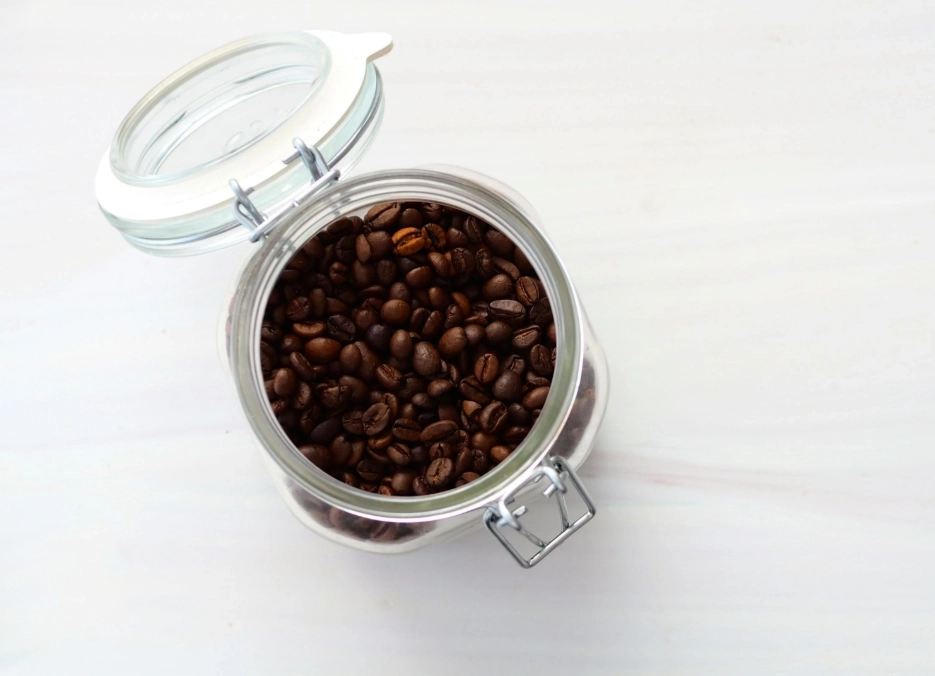
What Is the Best Way to Store Coffee Beans?
Short answer: an airtight, opaque container kept in a cool, dark, dry place. That's it. But the details matter, and they're where most people mess up.
The Four Rules That Actually Matter
Rule 1: Go opaque. Clear glass jars look pretty on the counter. They also let light in, which breaks down the volatile oils in your beans. If you insist on glass, keep it in a cupboard. I learned this the expensive way after leaving a batch of Ethiopian beans in a mason jar for a week—they tasted flat and lifeless.
Rule 2: Get the air out, but don't vacuum-seal. You want an airtight container with a one-way valve if possible. Vacuum sealing works for long-term freezing, but for everyday storage, you just need to minimize air exposure. A simple valve lid does that nicely.
Rule 3: Skip the fridge. I know some people swear by it. They're wrong. Your fridge is full of moisture and odors. Beans are porous. They'll absorb that leftover garlic smell and condensation faster than you'd believe. Unless you're storing a year's supply in the freezer, keep them at room temperature.
Rule 4: Buy whole beans, not ground. Grinding exposes more surface area to oxygen. Ground coffee loses flavor in days. Whole beans hold up for weeks. That's not news. But if you're reading this, you probably already buy whole beans. Good.
How to Store Coffee Beans Long-Term (and What to Avoid)
Here's where things get tricky. If you buy beans in bulk (like a 2-pound bag from a local roaster), you can't drink two pounds in two weeks. What then? Freeze half.
The freezer method, done right: Divide your beans into smaller portions—say, one week's worth per container. Use airtight containers or freezer-safe bags with the air squeezed out. Label the date. When you're ready to use a portion, take it out and let it come to room temperature before opening. This prevents condensation from forming on the beans. Don't refreeze. Once thawed, use within a week.
What about the crisper drawer? Bad idea. That's where vegetables go to sweat. The humidity is all wrong.
What about storing beans in the hopper? Fine for a day or two. But those hoppers are usually clear and exposed to light. Not ideal long-term.
One more thing: don't dump your beans into a container that held something else without washing it first. Coffee is like a sponge. If your container smells like last week's trail mix, your beans will too.
Container Comparison: What I Actually Use
I've tried a lot of containers. Here's how they stacked up after four weeks of side-by-side testing with the same batch of medium-roast Colombian beans:
| Container Type | Freshness After 4 Weeks | Notes |
|---|---|---|
| Airtight opaque ceramic canister with one-way valve | Very good | Kept most of the original aroma. Beans remained slightly glossy. |
| Clear glass jar with clamp lid | Fair | Noticeable flatness in the aftertaste. Light exposure definitely took a toll. |
| Original roaster bag (folded and clipped) | Good for first two weeks | Then declined rapidly. The bag itself is fine but not airtight once opened. |
| Plastic Tupperware | Poor | Beans picked up a faint plastic smell. Not recommended. |
| Refrigerator (in a sealed bag) | Terrible | Condensation formed. Beans tasted dull and slightly sour. |
My daily driver is a matte black ceramic canister with a silicone gasket and a valve. It wasn't cheap—about $35—but it's paid for itself in beans I didn't waste. If you're on a budget, a simple opaque metal tin with a tight lid works almost as well.
Coffee Bean Storage FAQs (From Someone Who Learned the Hard Way)
I opened my beans two weeks ago and they smell fine. Are they still okay?
Smell is a decent indicator, but not perfect. Rub a few beans between your fingers and check the oils. If they feel dry and lifeless, the flavor is probably gone. Brew a small cup—if it tastes flat or papery, yeah, they're past their prime. You can still drink them, but don't expect the same experience. Use them for cold brew, which masks staleness better than pour-over.
Can I store coffee beans in the freezer without ruining them?
Yes, but only if you do it right. Portion them out into airtight, small containers before freezing. Don't freeze the whole bag and pull it out repeatedly—that's the fast track to soggy, flavorless beans. And never thaw and refreeze. The key is to minimize temperature swings.
What about those vacuum-sealed blocks you see at the store?
Those are usually for long-term storage—like if you're buying a year's worth of green beans. For roasted beans, vacuum sealing squeezes out the carbon dioxide that naturally escapes for the first week or two after roasting. That can actually hurt flavor development. Stick to containers with a one-way valve for roasted beans.
Does the type of roast affect how long beans stay fresh?
Absolutely. Dark roasts have more surface oil, which oxidizes faster. Light roasts are denser and tend to hold up a bit longer. With a dark roast, you have maybe ten days of peak freshness. A medium roast gives you closer to two weeks. And a light roast—maybe three weeks if you're fortunate. This is why I never buy dark roast in bulk. It's a race against time.
Storage isn't glamorous. It's not the part of coffee culture that gets Instagram likes. But it's the difference between a cup that makes you close your eyes in appreciation and one you sip out of habit. You don't need fancy gear. Airtight, opaque, room temperature, and whole beans. Those four things will do more for your daily cup than any $500 espresso machine.
This article was fact-checked against guidelines from the Specialty Coffee Association and conversations with local roasters.
Reader Brew Notes