10. Stockton, California
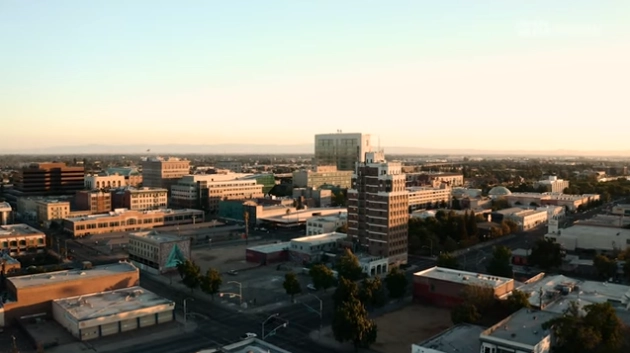
Mayor: Michael Tubbs (Democrat)
Population: 316,996
Despite being smaller than California's major metropolises, Stockton has a disproportionately high violent crime rate, ranking in the national top ten. Once a historic Gold Rush hub, the city faced severe decline after the 2008 crisis, with unemployment soaring post-COVID.
However, Stockton is actively pursuing renewal. As highlighted in the documentary “Stockton on My Mind,” Mayor Michael Tubbs is leading initiatives including a basic income pilot, violence intervention programs, and scholarship funds for students, aiming to steer the city toward recovery.
9. Milwaukee, Wisconsin
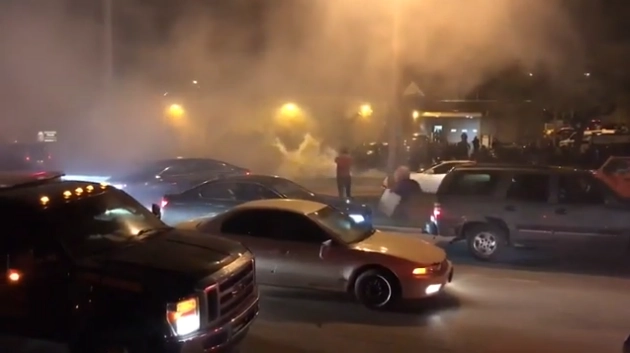 Mayor: Tom Barrett (D)
Population: 585,589
As shock rocker Alice Cooper noted, Milwaukee is an Algonquin word meaning “the good land.” Yet with 1,413 violent crimes per 100,000 residents, it ranks as Wisconsin’s most dangerous city. Underlying causes include extreme racial segregation and a poverty rate double the national average, compounded by the opioid epidemic.
Despite these challenges, community efforts are growing. Local youth and organizations like 414Life are promoting the Milwaukee Blueprint for Peace—a public health-driven strategy to reduce violence and reclaim the city’s promise.
8. Little Rock, Arkansas
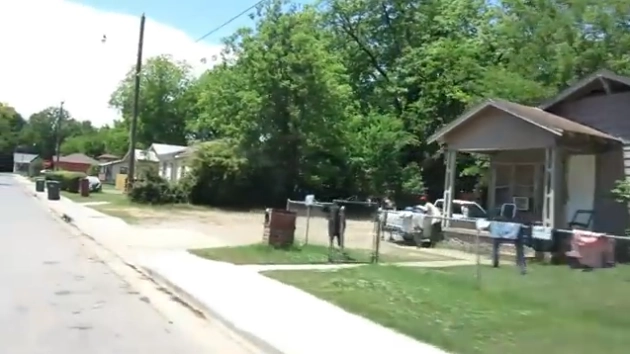 Mayor: Frank Scott Jr. (D)
Population: 197,371
To be blunt, Little Rock is a struggling city in a poor state. Arkansas ranks near the bottom nationally in median income and educational attainment. The city itself, with just 197,000 residents, underscores the state's sparse population. Its crime rates are staggering: violent crime is nearly four times the national average, and its property crime rate is among the highest in the U.S. for cities over 100,000.
These issues are heavily linked to persistent gang activity, notably from groups like the Bloods and Crips. While a major police expansion after a 1994 documentary initially reduced gang violence, these gains were short-lived. The city, lacking resources and opportunities, continues to grapple with this deep-seated problem.
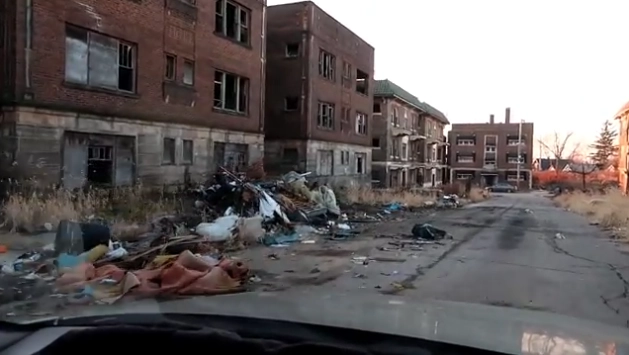 Mayor: Frank G. Jackson (D)
Population: 379,233
As Drew Carey can attest, Cleveland rocks, but it also suffers from high violent crime, with a rate over four times the national average. Key factors include severe population decline since 1990, as those with means moved to suburbs, leaving behind concentrated poverty.
Cleveland now has some of the nation's poorest neighborhoods, with 39% of residents living below the poverty line and childhood poverty exceeding 50%. A recent study highlights entrenched, generational poverty and reverse gentrification, making significant crime reduction unlikely without addressing these deep-rooted economic issues.
6. Kansas City, Missouri
 Mayor: Quinton Lucas (D)
Population: 505,198
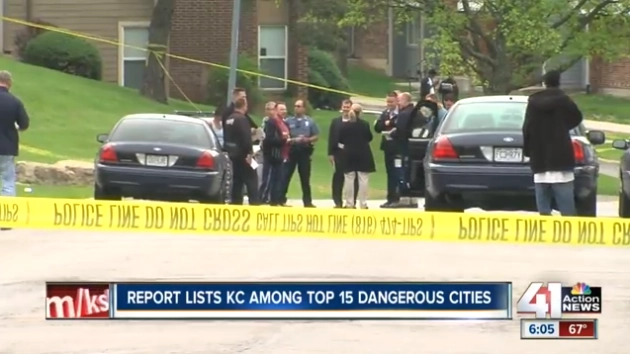
Kansas City embodies classic American heritage as a historic cattle town with renowned steakhouses near its slaughterhouses. It is also home to the Negro League Baseball Hall of Fame, honoring players excluded from the white Major Leagues until the late 1940s.
However, the city struggles with severe violent crime, exceeding the national average by 318%, with record homicide rates often involving firearms. Most murders remain unsolved, weakening deterrence. Federal efforts like Operation Legend have received official support despite civil rights concerns over federal intervention.
5. St. Louis, Missouri
 Mayor: Lyda Krewson (D)
Population: 293,792
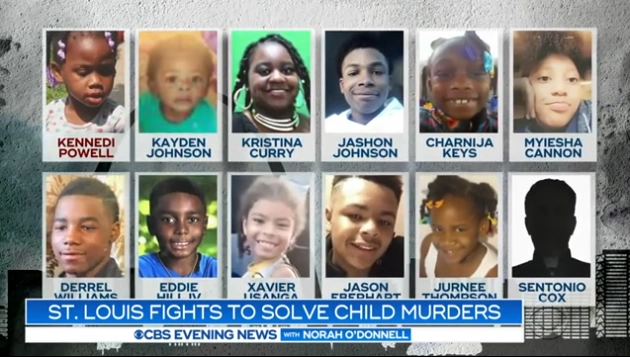
Missouri is unfortunately unique for having two cities on this list. St. Louis, a major economic hub with ten Fortune 500 companies and a pre-COVID unemployment rate of just 3.4%, suffers from extreme violence. Its rate of 1,800 violent crimes per 100,000 residents is nearly five times the national average. It would rank first in murders alone, with 61 homicides per 100,000 people in 2018.
This crisis is worsened by low solve rates for gun violence and violent crimes. Last summer, about a dozen children were shot and killed, yet by late August, only one arrest had been made. This stark dichotomy defines St. Louis, making it a rivalry the state could do without.
4. Baltimore, Maryland
 Mayor: Jack Young (D)
Population: 590,479
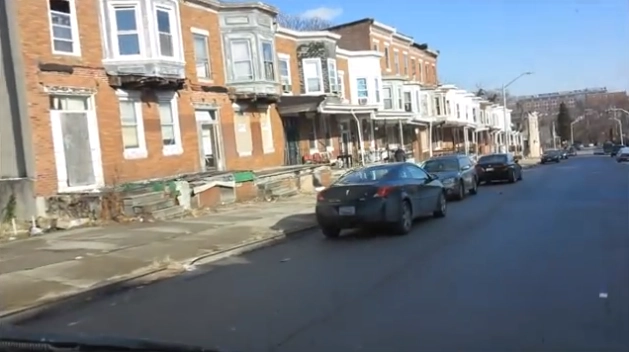
Contrary to its bleak depiction in "The Wire," Baltimore boasts significant historic and cultural appeal. Nearly a third of its buildings are historic, more than any other U.S. city, including Fort McHenry, the inspiration for the national anthem. The Inner Harbor attracts 14 million annual visitors to sites like the National Aquarium and Camden Yards.
However, the city faces severe violent crime. Its 2018 homicide rate was the nation's second highest, and its robbery rate was the highest. With a violent crime rate of 1,833 per 100,000—sharply rising in recent years—authorities are implementing measures like faster police response to high-risk emergency calls.
3. Birmingham, Alabama
 Mayor: Randall Woodfin (D)
Population: 208,940
At the turn of the 20th century, Birmingham rapidly transformed from a small settlement into an impressive urban center, earning its nickname "The Magic City." Despite its significant growth and status as a major banking hub today, its history is marred by racial violence, notably in the 1960s.
While Birmingham's violent crime rate remains alarmingly high—over five times the national average—recent data offers hope. Violent crime has decreased by 26% this year, with significant drops in rape and robbery. However, it is uncertain how much this decline is linked to pandemic lockdowns and whether it will be sustained.
2. Memphis, Tennessee
 Mayor: Jim Strickland (D)
Population: 647,374
Memphis, a city known for blues and barbeque, also has a deep history of violence, most notably the 1968 assassination of Dr. Martin Luther King Jr. This tragic event, followed by devastating riots, dealt a severe blow to the Civil Rights Movement and left a lasting scar on the city.
Today, Memphis suffers from some of the nation's worst gun violence. With a violent crime rate dramatically above the national average, it has prompted a federal initiative called Project Guardian. This program aims to reduce firearm violence through enhanced enforcement, stricter background checks, and increased federal resources.
1. Detroit, Michigan
 Mayor: Mike Duggan (D)
Population: 667,272
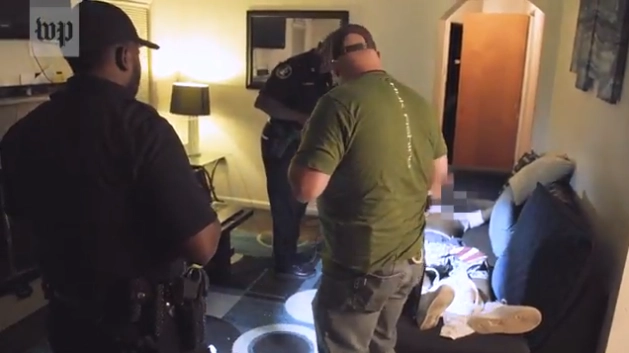
Detroit is America's most dangerous city, with a violent crime rate exceeding 2,000 per 100,000 residents—428% above the national average. Its notorious decline is marked by a severe urban exodus, with population plummeting from 1.8 million in the 1950s to under 700,000 today, driven largely by the loss of automotive manufacturing jobs.
This drastic depopulation has crippled policing and left vast areas filled with abandoned buildings, fostering drug-dealing and violence. With over a third of residents in poverty and unemployment spiking to 39.2% during the pandemic, the city remains trapped in a desperate cycle, a stark fall for the once-powerful engine of its regional economy.
