Ghost towns are often seen as remote, desolate places. Yet they can also exist within or around bustling cities, sometimes unknown even to local residents. Here are ten such urban ghost towns.
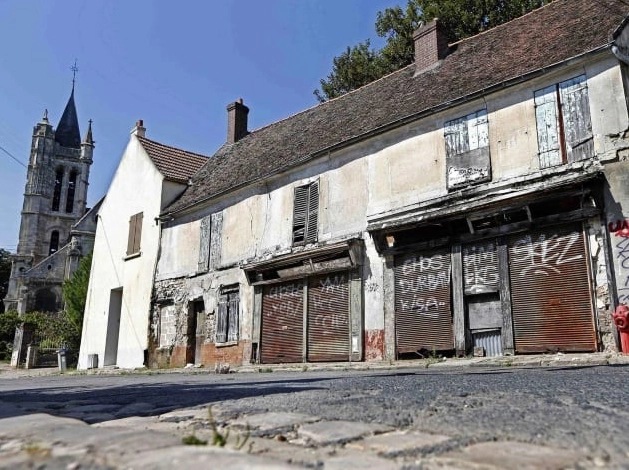
10. Goussainville-Vieux Pays, Paris
9. North Brother Island, New York City
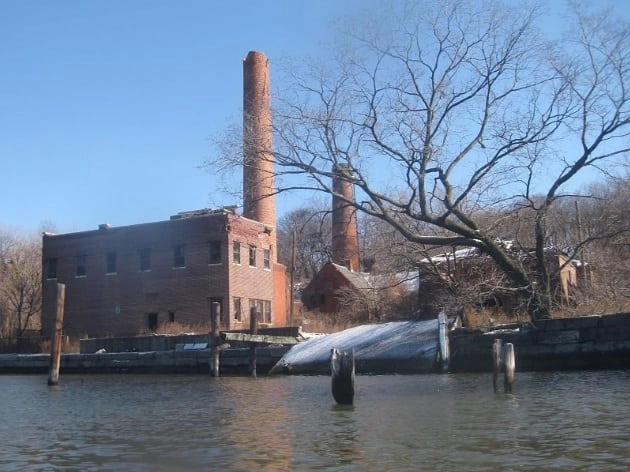
North Brother Island lies off the Bronx, New York City. Originally opened as a quarantine site in the 1880s, it isolated those with diseases like measles and tuberculosis. Its most infamous patient, "Typhoid Mary," was confined there intermittently for 28 years until her death in 1938. After World War II, the island housed veterans, then later served as a failed heroin rehab center for teens until 1963.
Following its closure, proposals to sell or repurpose the island stalled. Nature gradually reclaimed it: roads are now weed-choked, and buildings crumble. Since 2001, the New York Parks Department has managed it as a protected "harbor herons region," allowing birds to nest undisturbed by human activity.
8. Olympic Village, Wustermark
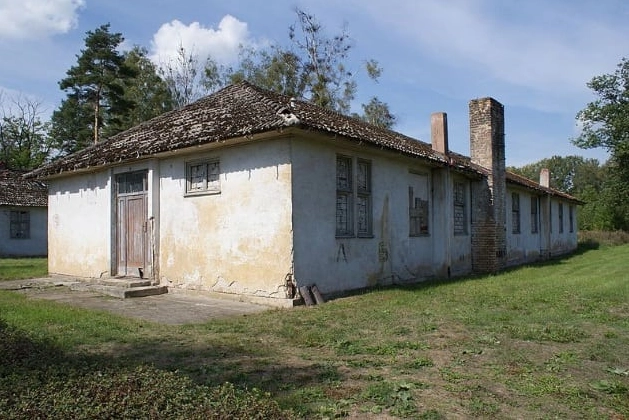
Located in Wustermark on Berlin’s outskirts, the Olympic Village was constructed by the Nazis for the 1936 Berlin Olympics. Hitler intended it as a propaganda showcase of Nazi Germany’s might. These were the first Games to be televised, used by Hitler to broadcast Germany’s perceived superiority. He initially tried to exclude Black and Jewish athletes but relented after boycott threats. Around 4,000 athletes stayed there.
After the Games, it served as a WWII military hospital, then a Soviet Army barracks until reunification. Since the Soviets left, it has remained abandoned. Germany has debated converting the site into housing or a museum, but no final decision has been made.
7. Matildaville, Virginia
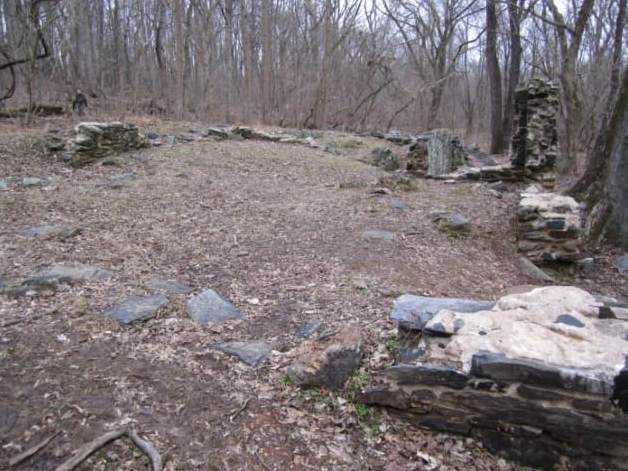
The abandoned town of Matildaville lies along the Potomac River in Virginia. Founded in the 1790s by Henry "Light-Horse Harry" Lee, it was named after his late wife. He aimed to industrialize the area using the adjacent Potomac Canal, a project championed by George Washington. Most residents worked on cargo boats or in supporting industries like the forge and sawmill.
The town's fate was tied to the canal. The original Patowmack Company failed in 1823, and its successor bypassed Matildaville in 1828, devastating the local economy. A brief revival came with a water-powered textile factory in 1838, leading to a rename as South Lowell. However, a federal lawsuit against the factory concluded in 1893, sealing the town's demise.
6. Thames Town, Shanghai
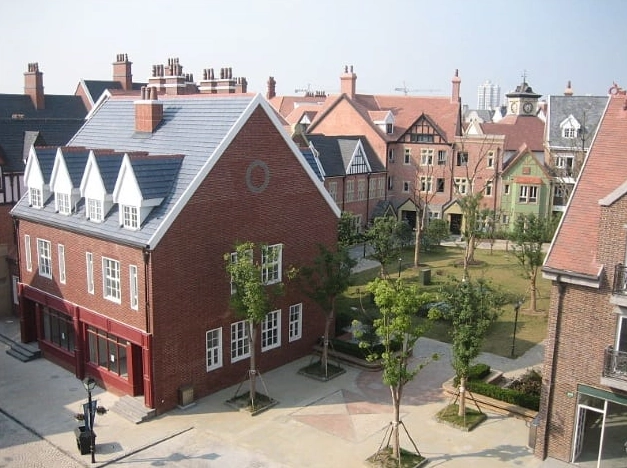
Thames Town is a planned city in Songjiang District, about 40 minutes from downtown Shanghai. Built as part of Shanghai's "One City, Nine Towns" initiative launched in 2001, it was designed as a replica of a traditional British town, even named after the River Thames. With an investment of over two billion yuan, the project aimed to draw residents away from the crowded city center to less populated areas.
However, it largely failed to attract permanent middle-class residents due to a property bubble that drove prices too high. Most homes are now owned by wealthy investors who use them as vacation properties or hold them for future resale or rental, leaving the town underpopulated and not fulfilling its original purpose.
5. Gary, Indiana
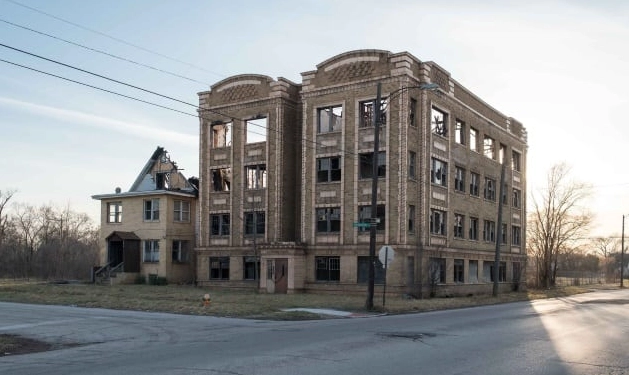
Despite being only 40 miles from Chicago, Gary, Indiana is steadily declining toward ghost town status. While it still has around 77,000 residents, this is insufficient to fill the city, leaving large sections deserted with overgrown weeds and dilapidated buildings.
Once a major manufacturing hub plagued by crime, Gary saw most industries close, driving away the population. Criminals and drug dealers departed as well, with fewer targets and customers. The city is now a shadow of its former self, emblematic of American urban decline following industrial shutdowns and massive population loss.
4. Olympic Park, Rio De Janeiro
3. Drawbridge, California
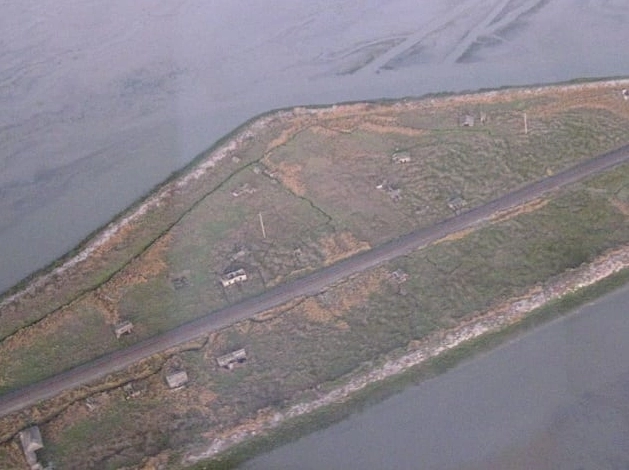
Drawbridge is a ghost town with zero residents, despite being near major Californian cities. Founded in the 1800s as a railroad stop, it was named for the mistaken term "drawbridge" given to its swing bridges. The first resident was the bridge operator. The area soon attracted hunters due to its wildlife, leading to the growth of a lawless town known for prostitution, gambling, and illegal alcohol during Prohibition.
Its decline began when pollution from nearby cities and salt ponds drove away the wildlife. The island also started sinking and flooding. The last resident left in 1979. Now a designated bird refuge, trains still pass through but no longer stop.
2. Valdeluz, Yebez
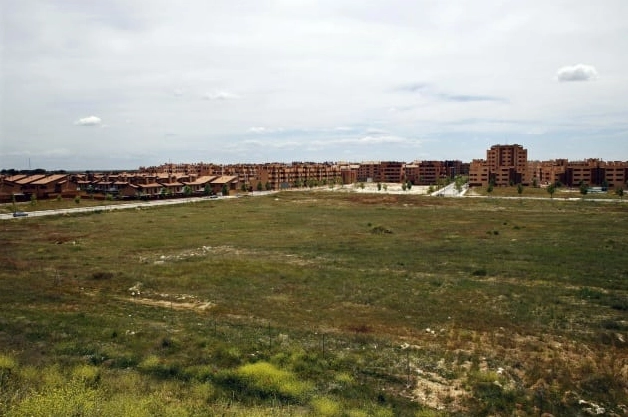
Located just 61 km from Madrid, Valdeluz is a ghost town built along the Madrid-Barcelona train route. Developed by Reyal Urbis, it was planned for 30,000 residents and promoted as a quiet, green alternative to Madrid, complete with amenities and a golf course. However, only 2,200 of the planned 9,000 homes were finished before the 2008 economic crisis.
During the crisis, only 200 people lived there, and home values dropped 50–60%, with undeveloped land losing 80% of its value. Although lower prices later attracted more residents, the population remains far below the original target, leaving Valdeluz largely empty.
1. Tianducheng, Hangzhou
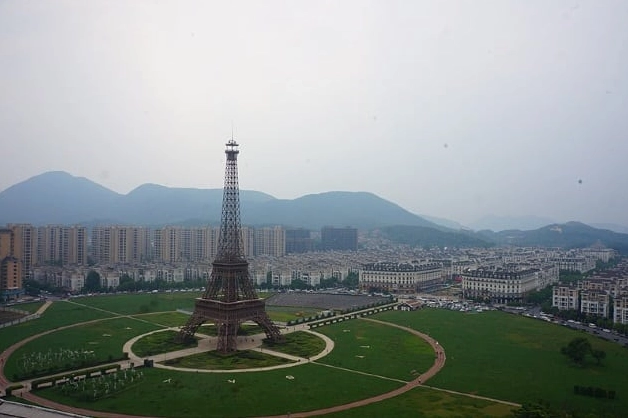
Tianducheng in Hangzhou, Zhejiang, is a Paris-inspired replica city located near Shanghai. Designed to accommodate 10,000 residents with its own Eiffel Tower imitation, it has attracted only around 2,000 inhabitants so far. Instead, it serves mainly as a tourist spot and wedding photo venue.
The development remains largely unoccupied due to its distance from central Hangzhou and Shanghai, along with limited public transport. Nevertheless, future urban expansion from nearby cities like Shanghai could eventually drive more residents to settle in Tianducheng.
